In the Loop: Week Ending 7/19/26
Last week in AI: China Catches Up, MLB Polices AI in the Dugout, Swimbappé Predicts the World Cup Apple quietly outmaneuvered AI's biggest names while...

There’s a scene in Gabriel García Márquez’s One HundredYears of Solitude where Remedios the Beauty rises unexpectedly into the airand disappears. She’s folding laundry when it happens – caught in a breeze and lifted skyward, sheets and all.
The strangest thing about the scene isn’t that Remedios floats away – although that is strange. It’s that no one treats it as a miracle. There’s no panic, no attempt to explain the impossible. The moment is absorbed into the day, like a curious inconvenience, and life goes on.
That quiet acceptance is the essence of magical realism: a world where the extraordinary doesn’t disrupt reality, it simply joins it.
That’s why this moment with AI feels so familiar.
We’re surrounded by genuinely astonishing capabilities – systems that can write, reason, design, analyze, and generate entire worlds – yet we experience them as background noise, minor conveniences, or sources of friction in our existing workflows. The magic is real, but it’s arriving so quietly and continuously that it barely registers at all.
You can see this dynamic playing out vividly in culture, not just in business. A recent example is Darren Aronofsky’s AI-assisted historical series, On This Day…1776, which uses generative AI to bring moments from the American Revolution to life in away that simply wasn’t possible before. It’s an ambitious, artist-led experiment – one that blends traditional storytelling with cutting-edge technology to create something genuinely new.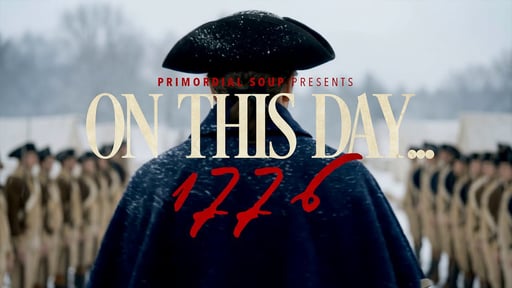
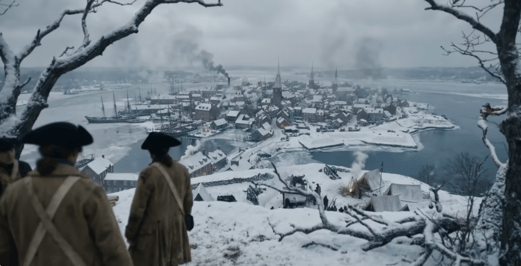
As someone who lived in New England for almost three decades, seeing what Boston might have looked like 250 years ago is thrilling.And yet, much of the reaction has focused not on the ambition or the possibility, but on surface-level complaints: the uncanny feel of a face, the oddness of a frame, the discomfort of seeing something unfamiliar. The discourse quickly devolved into nit-picking – labeling the work as “AI slop” or evidence that the technology isn’t ready—rather than engaging with what it represents: a new creative threshold we’ve already crossed.
This pattern shows up again and again in how we talk aboutAI. We marvel briefly at what it can do, then immediately fixate on imperfections. We critique execution before we’ve fully grappled with implication. The extraordinary becomes ordinary so quickly that it’s treated as disposable – McDonald’s quietly pulling its widely jeered AI-created holiday ad is just one recent example.
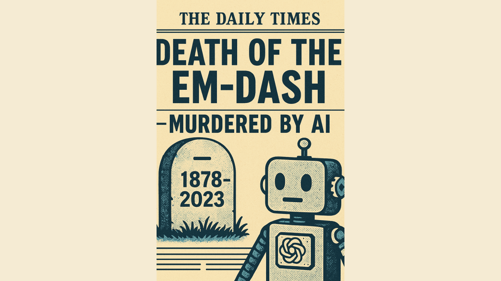
I see this same instinct at work with agencies and clients.One agency recently told me that a client questioned their thinking – not because of the strategy, or the ideas, or the outcomes – but because of punctuation. The presence of em dashes in the copy was taken as evidence that“AI must have written this,” and therefore that the agency hadn’t really done the work. The substance was beside the point; the tell mattered more than the thinking.
The same instinct shows up more broadly at work. Conversations about AI often collapse into policing behavior rather than improving outcomes. Leaders fixate on whether someone used AI to draft an email or summarize a document, instead of asking whether the message was clearer, the decision better, or the time saved reinvested in something more valuable.
In all of these cases, the focus shifts from what’s being created to how it was created, as if provenance alone were a proxy for value.
This isn’t because the magic is gone. It’s because we’re in the uncomfortable middle phase where magic alone isn’t enough.
AI now demands something more from us: judgment, intention, taste, governance, and effort. It demands that we decide where it matters, where it doesn’t, and what we expect from it beyond novelty. The work has shifted from can this be done? to what does it mean that it can? –a much harder question.
In García Márquez’s world, the extraordinary becomes ordinary not because it isn’t remarkable, but because no one pauses to ask what it changes. Remedios the Beauty floats away, and life goes on.
The real risk right now isn’t falling behind on AI. It’s treating something genuinely transformative as just another background process –until the moment passes and the opportunity goes with it.